EP328 Shaping the Future of ODR in Latin America with Dr. Alberto Elisavetsky
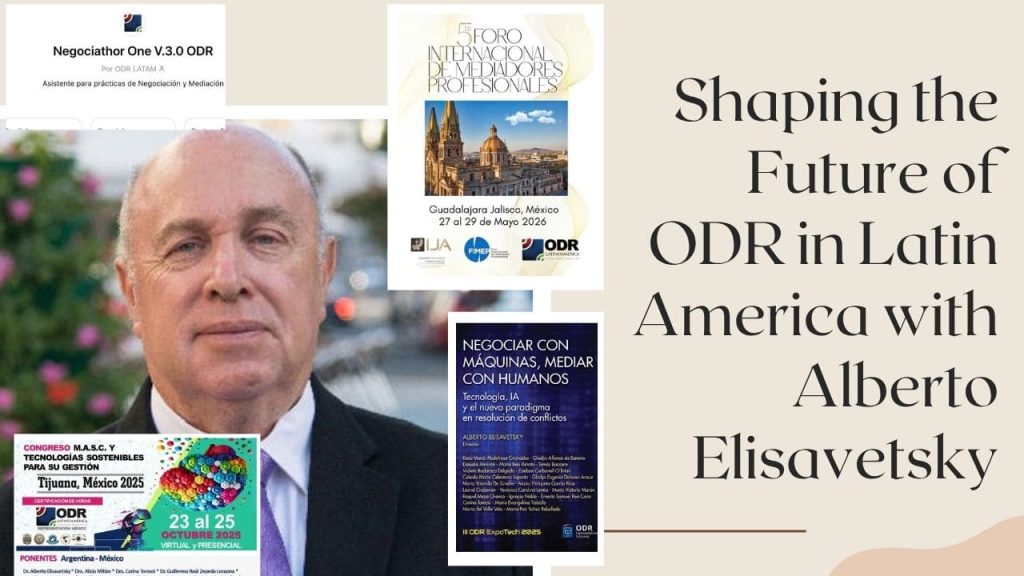
In a recent episode, I sat down with Dr. Alberto Elisavetsky (LinkedIn), a global leader in Online Dispute Resolution (ODR) and the application of AI in conflict resolution, particularly within Latin America.
Dr. Elisavetsky, who humbly requested that I call him Alberto, is the founder and president of ODR Latino America, and director of a social conflict observatory and a post-graduate ODR program at the National University of Tres de Febrero in Argentina. His extensive experience and significant influence in the field of online conflict resolution provides a unique lens through which lawyers and mediators can understand the evolving landscape of dispute resolution. Hence, he led us through a brief journey of the development of ODR in Latin America, starting from Argentina.
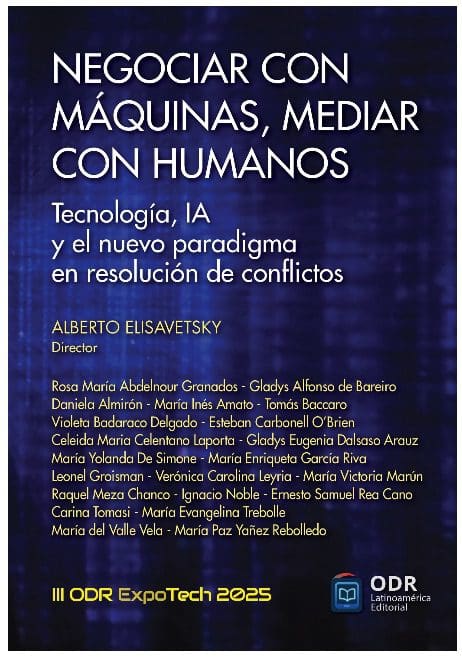
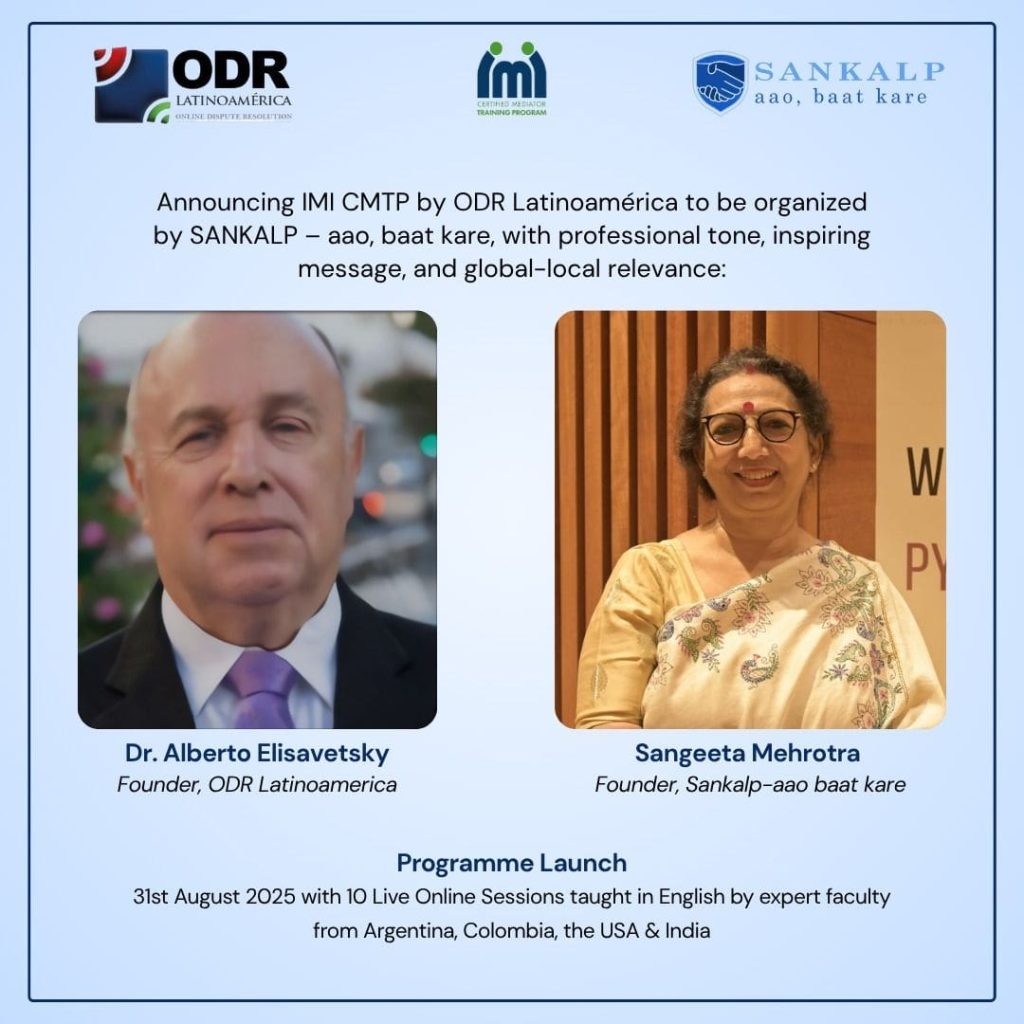
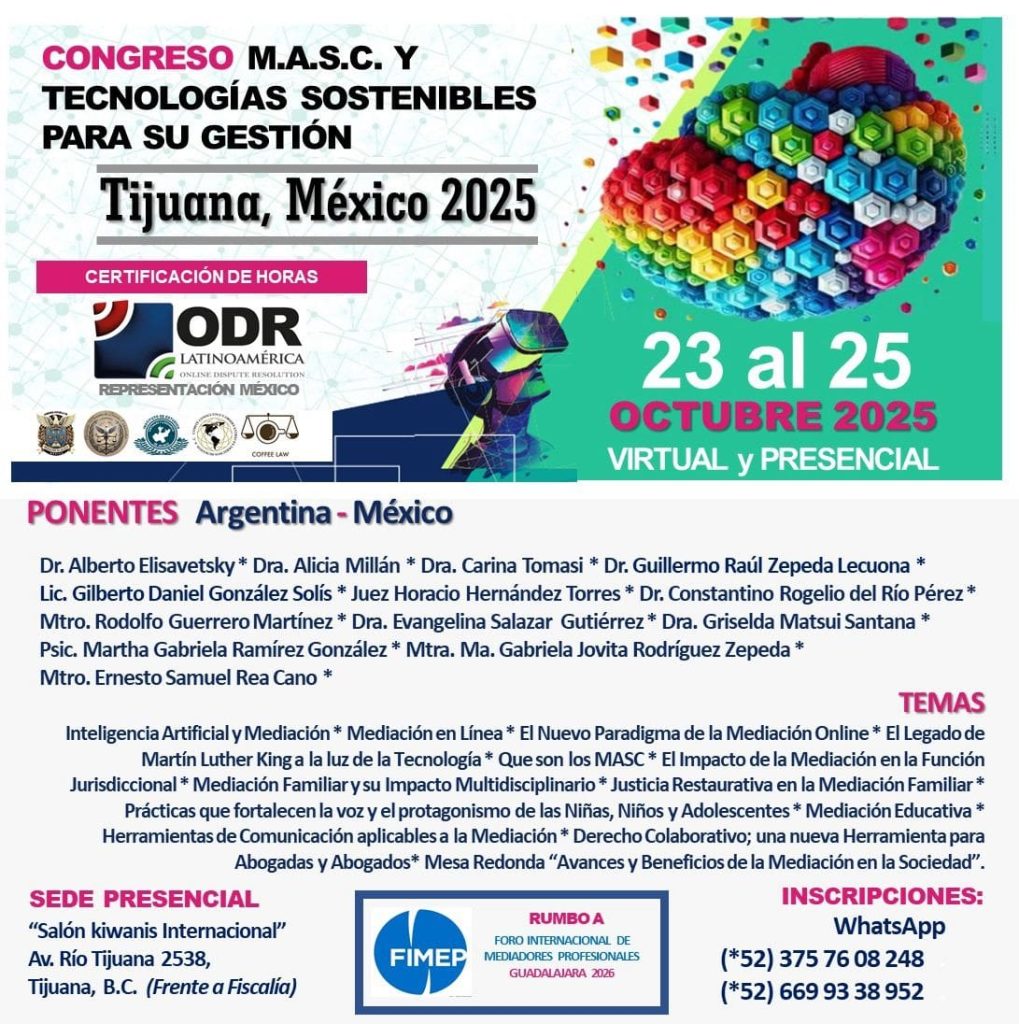
During our discussion, Alberto educated on the multitudes of ODR-related projects going on in Latin America, which sadly, are unknown to most conflict resolution professionals in the United States. For example, ExpoTech, the annual gathering of ODR professionals, is a fully-virtual must-attend gathering for Spanish-speaking mediators around the world. In October 2025, in Tijuana, Mexico, there will be the Congress on Alternative Dispute Resolution Methods and Sustainable Technologies for their Management. And in May 2026, in Guadalajara, Mexico, there will be the 5th International Forum of Professional Mediators or FIMEP (LinkedIn), a gathering of experts, academics, and professionals committed to building a global culture of peace. And don’t forget Alberto’s mediation training event with Sangeeta Mehrotra of SANKALP this August 2025.
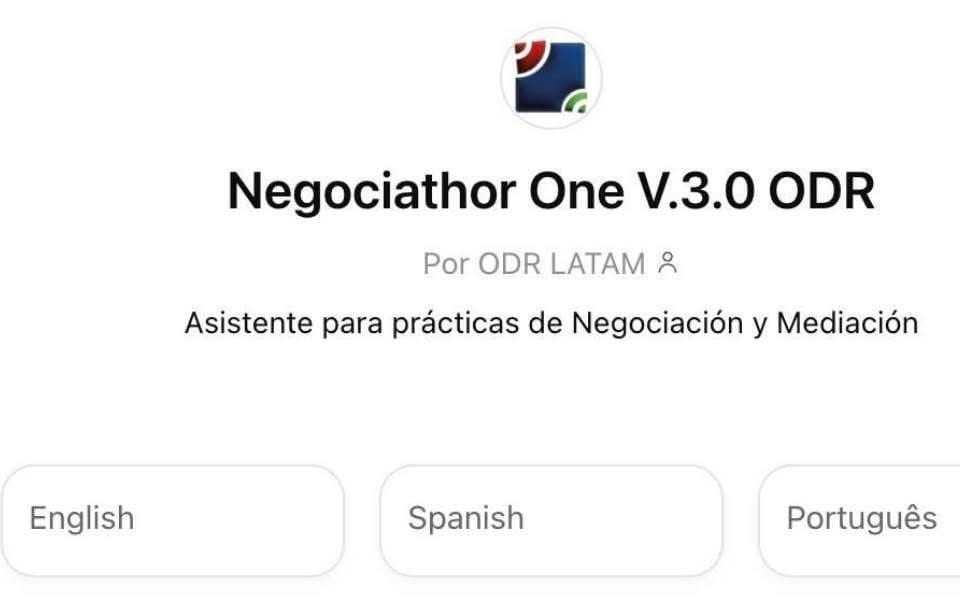
Our conversation explored the future of ODR and AI, including his project, Negotiator One—an AI agent for negotiation training and mediation. For legal and mediation professionals, this is particularly relevant. Alberto emphasized that artificial intelligence will not replace our jobs; rather, we will be replaced by mediators and lawyers who know how to deal with artificial intelligence. This highlights a critical need for professionals to become “friendly users” of these new technologies. He detailed how his work, often under-recognized in some parts of the world, has practical applications for legal and mediation practices:
- Accessibility and Inclusion: Alberto’s early work focused on using online mediation as a “bridge of social inclusion,” providing access to justice for individuals with less income or geographical barriers. This model offers a blueprint for how legal and mediation services can expand their reach and serve a broader client base, especially in diverse geographical areas like Latin America.
- Preparedness for Disruption: His initiative with the government of Buenos Aires City, which started online mediation services for citizens in 2017, demonstrates the foresight needed to integrate technology into practice. This allowed them to seamlessly transition to 100% online services during the COVID-19 pandemic, a testament to how proactive integration of ODR can future-proof legal and mediation practices against unforeseen disruptions.
- Specialized AI Tools for Practice: The development of Meu AI (Electronic Judicial Mediation) for the Corrientes province exemplifies how AI can be tailored to specific jurisdictions and mediation models. This provides a clear vision for lawyers and mediators on how AI can be integrated to ensure compliance with local statutes and preferred mediation approaches (e.g., transformative mediation), making practices more efficient and legally sound.
- Ongoing Professional Development: Alberto’s extensive training programs, including certified mediator training with the International Mediation Institute or IMI, are crucial for professionals looking to gain international recognition and stay competitive. His commitment to teaching ODR and AI in mediation underscores the importance of continuous learning for all in the field.
Looking ahead, when asked to share his thoughts about the future, Alberto believes that online mediation will transform from real-time mediation to text-based asynchronous mediation that involves AI assistance. He also pointed out the challenges of government data protection and the responsibility of service providers for platforms used in mediation. These insights are vital for mediation professionals to consider when choosing platforms and advising clients on data security and ethical concerns in the digital realm.
Follow Alberto on LinkedIn and Facebook and see his publication contributions at ODR LatinoAmerica Library.
- https://www.linkedin.com/in/alberto-elisavetsky-9906093/
- https://www.facebook.com/alberto.elisavetsky
LINKS DISCUSSED
- ODR LatinoAmerica https://expotech.odr.lat/
- Distance Mediation as a Bridge for Social Inclusion https://mediate.com/distance-mediation-as-a-bridge-for-social-inclusion